
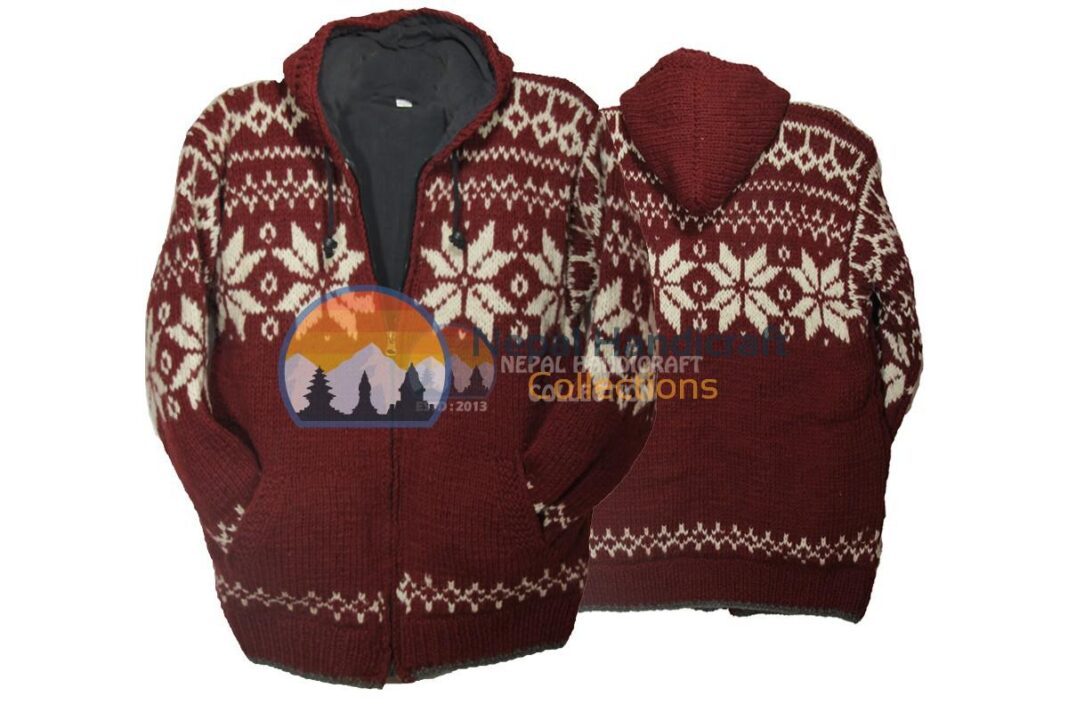
Nepalese Woolen products reflect Nepal’s long-standing tradition of high-quality craftsmanship, rooted in the Himalayan way of life. From handwoven Yak wool shawls to intricately knitted Woolen sweaters, Nepalese artisans have mastered the art of wool processing and textile production. These Woolen products are not only a necessity for the cold mountainous climate but also a representation of Nepal’s rich heritage and craftsmanship. In this blog, we explore the history, craftsmanship, and global appeal of Nepalese Woolen products.
The History of Wool Production in Nepal
The use of wool in Nepal dates back centuries, primarily among Himalayan communities like the Sherpas, Tamangs, and Thakalis. These communities relied on yak and sheep wool to make warm clothing, blankets, and accessories to combat the extreme cold. Over time, Woolen products became a key part of Nepalese culture, with intricate designs and patterns reflecting regional identities.
Families traditionally passed down wool weaving and knitting through generations, perfecting the craft using indigenous techniques. Today, Nepalese Woolen products have gained global recognition, blending tradition with modern fashion trends.
The Art of Wool Processing and Craftsmanship
Nepalese Woolen products are handcrafted with precision and patience. The process of making these high-quality items involves several meticulous steps:
- Shearing & Collecting Wool – Farmers in high-altitude regions like Mustang, Dolpo, and Solukhumbu primarily raise yaks, sheep, and pashmina goats to source wool.
- Cleaning & Carding – The raw wool is cleaned, combed, and separated into fine fibers to remove impurities.
- Spinning the Yarn – Artisans use traditional spinning wheels (charkha) to transform wool into yarn, which is then dyed using natural or synthetic colors.
- Weaving or Knitting – Depending on the product, artisans either weave the yarn on looms to make shawls and blankets or hand-knit it into sweaters, gloves, and caps.
- Finishing Touches – The final product is washed, brushed, and sometimes embroidered or adorned with Nepalese motifs for added beauty.
Skilled artisans carefully craft each piece to ensure both durability and comfort, making Nepalese woolen products highly sought after worldwide.
Popular Woolen Products of Nepal
Nepal’s wool industry offers a variety of handcrafted items that are both functional and stylish. Some of the most popular products include:
- Yak Wool Shawls & Scarves – Lightweight yet incredibly warm, these soft shawls are a favorite among travelers and fashion lovers.
- Woolen Sweaters & Cardigans – Hand-knitted sweaters made from pure sheep wool are perfect for winter.
- Woolen Socks, Hats & Gloves – Essential accessories for cold climates, often decorated with traditional Nepalese patterns.
- Woolen Blankets & Rugs – Thick and durable, these handcrafted woolen blankets and rugs add a cozy touch to homes.
- Pashmina Blends – Though not pure wool, pashmina (cashmere) blends with wool are popular for their luxurious softness and warmth.
Each product is unique, as it is handcrafted with love and skill by local artisans.
The Global Appeal of Nepalese Woolen Products
Nepalese woolen products have found their way into international markets, appealing to eco-conscious consumers and fashion enthusiasts alike. The reasons for their growing popularity include:
- Eco-Friendly & Sustainable – Handcrafted with minimal environmental impact, using natural dyes and biodegradable materials.
- Ethical & Fair Trade –Local artisans and women’s cooperatives make many woolen products, supporting fair wages and ethical production.
- Handmade Authenticity – Unlike machine-made textiles, Nepalese woolen products carry a unique charm, with every piece having slight variations.
- Durability & Warmth – High-quality wool ensures these products last for years while providing exceptional insulation.
From luxury brands to ethical fashion labels, Nepalese wool products are gaining recognition in Europe, North America, and beyond.
Challenges Facing the Nepalese Wool Industry
Despite the global appeal, Nepal’s wool industry faces several challenges:
- Decline in Traditional Handcrafting – Younger generations are less interested in continuing the labor-intensive art of wool processing.
- Competition from Mass Production – Cheaper, factory-made woolen products from other countries challenge Nepal’s handmade industry.
- Sustainability Concerns – Overgrazing and changing climate conditions affect wool production in high-altitude regions.
- Export and Market Access – Limited access to international markets and high shipping costs make it difficult for small artisans to reach global buyers.
Woolen products from Nepal are not just winter essentials; rather, they are timeless symbols of heritage, resilience, and artistry rooted in Nepalese culture. Whether it’s a handwoven yak wool shawl or a cozy woolen sweater, these traditional items beautifully showcase the exceptional craftsmanship of local artisans. Moreover, they offer both warmth and comfort, making them not only practical for cold climates but also cherished worldwide for their cultural significance.
By supporting handmade woolen products, consumers not only embrace high-quality, eco-friendly fashion but also actively contribute to preserving Nepal’s rich textile heritage. Furthermore, each purchase helps sustain the livelihoods of skilled artisans and preserves age-old craftsmanship. So, the next time you wrap yourself in a warm Woolen shawl, take a moment to appreciate the generations of dedication, tradition, and artistry woven into every thread.
Shop for some beautiful Nepali Woolen products? Visit Shop.


